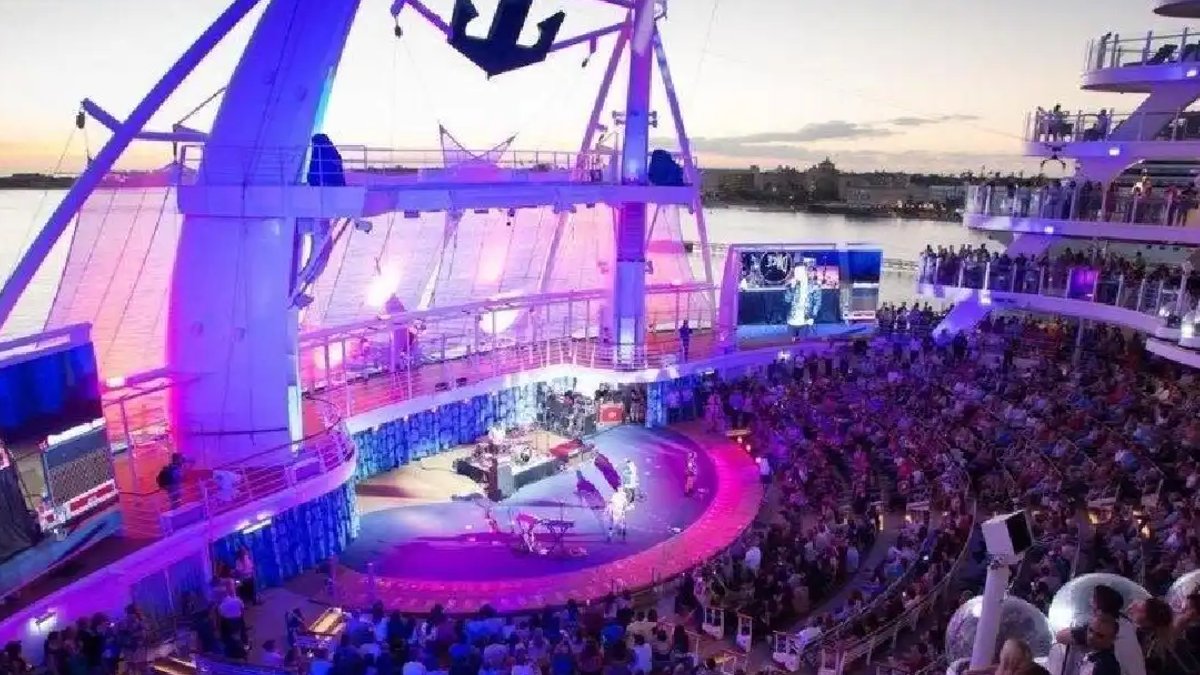
Cruise travel has become more than just a way to cross oceans. It’s now a full entertainment experience, with passengers expecting top-notch performances and activities. Specialized agencies connect talented performers with cruise lines, ensuring every voyage delivers high-quality entertainment.
The Role of Cruise Ship Entertainment Agencies
These agencies act as a bridge between cruise companies and performers, sourcing talent like singers, dancers, musicians, and comedians. They don’t just recruit; they ensure performers meet the professional standards required for international audiences.
This includes evaluating skills, managing contracts, and sometimes coordinating travel and onboarding processes. By doing so, they play a central role in shaping the onboard experience.
Services Provided by These Agencies
Cruise ship entertainment agencies offer a wide range of services, often extending beyond simple hiring. They identify and recruit performers with diverse skill sets, ensuring cruise ships can offer varied entertainment programs catering to different age groups and cultural backgrounds.
Many agencies provide guidance or structured training to help performers adapt to the unique environment of cruise ships. Some even assist in organizing full-scale productions, including choreography and music arrangements, to maintain consistent quality across voyages.
Related Post: How to Pick a Digital Product Partner
Why Cruise Lines Partner with These Agencies
Cruise companies operate on a global scale, hosting thousands of passengers on each journey. Managing entertainment internally can be complex. By partnering with agencies, cruise lines gain access to a curated pool of talent and professional expertise.
This collaboration allows cruise operators to focus on the overall guest experience, while agencies handle the specialized aspects of entertainment management.
From a performer’s perspective, working on a cruise ship offers international opportunities, regular performances, and a travel-rich career. Roles include dancers, production performers, and specialty acts like magicians or acrobats. Additional opportunities exist in technical support, event coordination, and activity hosting.
Performing at sea requires a unique skill set: strong stage presence, adaptability, teamwork, cultural awareness, and physical stamina for extended contracts.
For performers looking to enter this industry, selecting the right agency is key. A reputable agency will provide clear communication, fair contracts, and professional support. Researching agencies, understanding their requirements, and preparing a strong portfolio are essential steps.
