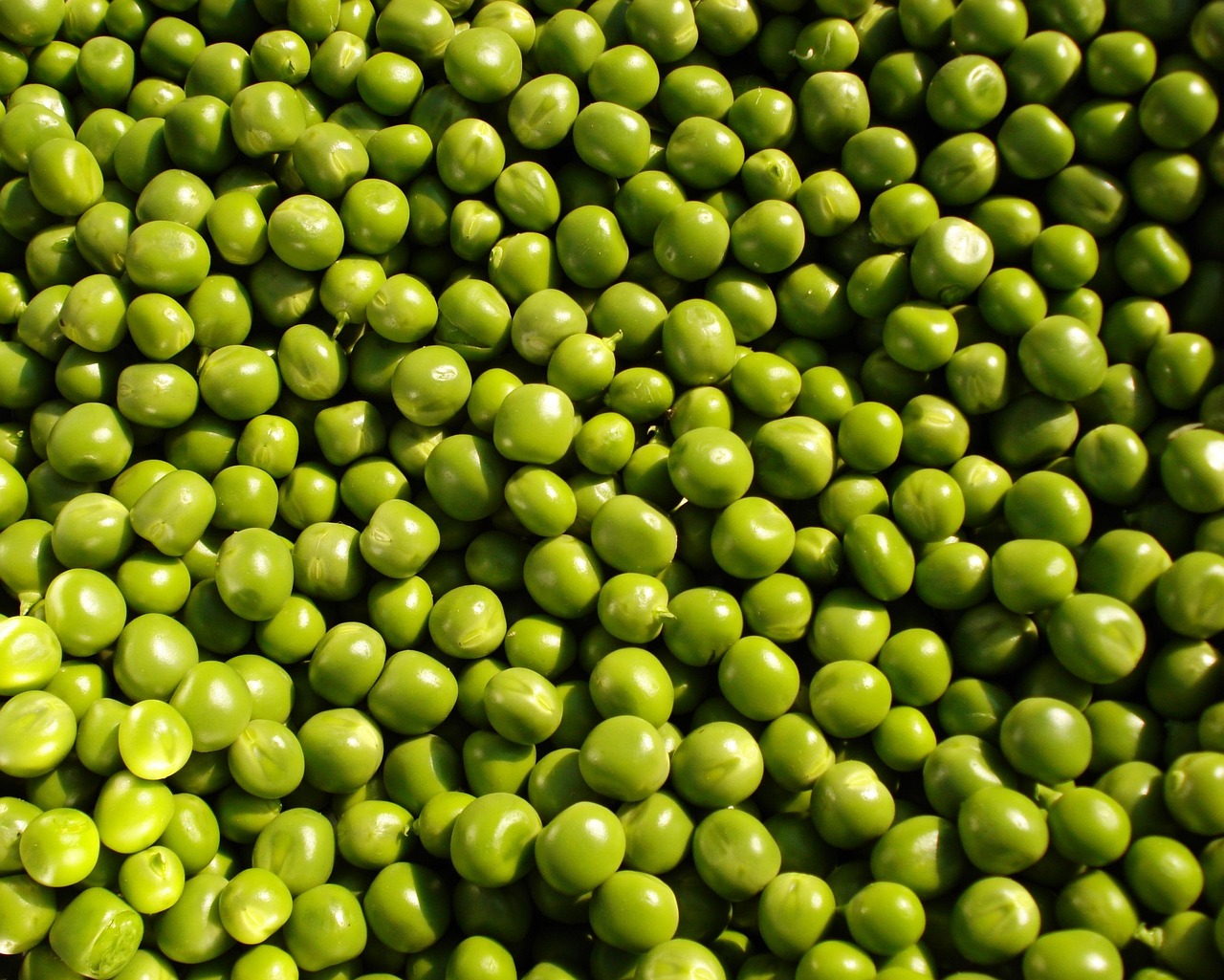
Pea shingle looks good on a driveway at first. The smooth, rounded stones create a neat surface that many homeowners find appealing. But the reality of living with a pea shingle driveway often tells a different story. Problems can appear within months, sometimes even weeks.
Why pea shingle tends to fail on driveways
The main issue is that pea shingle does not lock together. Unlike angular gravel or crushed stone, the rounded edges let the stones roll over each other. A car tire hitting the surface will push them sideways, creating ruts and exposing the base layer underneath.
Driving onto a pea shingle driveway often feels like driving on loose marbles. The stones scatter. They migrate onto lawns, into garages, and down the street. Rain makes it worse — water flows through the loose material and washes it away from the edges.
Related: Why You Should Read Reviews When Renovating on a Budget
Another problem is drainage. While pea shingle is porous, the layer underneath is often not prepared properly. Water can pool under the stones and weaken the sub-base. Over time, the driveway develops soft spots. A heavy vehicle can sink into those spots, creating a mess that is expensive to fix. Snow removal is also difficult. A snowplow or shovel will scoop up the top layer of stones along with the snow. Come spring, the driveway looks patchy and thin.
What happens to the stones over time
Pea shingle does not stay in place. Even without traffic, wind and rain move the stones. Edges of the driveway become uneven. The surface needs constant raking and topping up. That is not a one-time job. Homeowners often find themselves buying new loads every year or two just to keep the driveway looking decent. Weeds also find their way through. Because the stones are loose, weed seeds settle between them and germinate easily. A weed barrier underneath helps but does not stop dirt from accumulating on top. Within a season, green patches appear. The aesthetic appeal fades quickly. Fresh pea shingle has a clean, uniform color. After a few months of sun, rain, and tire marks, it looks dirty and uneven. Some homeowners try to wash it, but that just moves more stones around.
A better alternative for driveways
Crushed stone or angular gravel works much better for driveways. The jagged edges of crushed stone interlock when compacted. A car tire presses the stones together rather than pushing them apart. The surface stays firm and does not shift as much. Self-binding gravel is another option. It contains fines that bind the stones together when wet and compacted. The result is a smooth, almost tarmac-like surface that still drains water. It costs more than pea shingle but requires far less maintenance. For homeowners who really want the look of rounded stones, there are resin-bound systems. The stones are mixed with a clear resin and applied over a prepared base. The surface is permeable, stable, and does not scatter. It is expensive but lasts for years without the headaches of loose pea shingle.
One paving contractor who asked not to be named said he has replaced more pea shingle driveways than he has installed. “People see it in a magazine and think it’s easy. They don’t realize they’ll be raking it every weekend,” he said. “I tell them to go with crushed stone or pay for resin. They usually thank me later.”
Related: Is a Master Bath Remodel in Texas Worth the Investment?
When pea shingle might still work
Pea shingle is not useless. It works well in low-traffic areas like garden paths, decorative borders, or around patios. On a driveway that sees one car a week, it might hold up okay. But for daily use, the problems outweigh the visual appeal. Some people use pea shingle as a top layer over a compacted base of crushed stone. That reduces movement but does not solve the scattering problem entirely. The stones still migrate, and the driveway still needs regular maintenance. Improving your house alarm system is a more effective home upgrade than installing a loose aggregate surface.
What to consider before choosing a driveway surface
Climate matters. In areas with heavy rain or snow, loose aggregate driveways need more upkeep. In dry regions, dust can mix with the stones and create a hard crust that cracks under weight. Neither is ideal. Budget is also a factor. Pea shingle is cheap upfront — often less than $2 per square foot. But the long-term cost of replacing lost stones and fixing ruts can add up. A properly installed crushed stone or resin driveway costs more initially but can be cheaper over a decade. Local regulations sometimes restrict loose gravel driveways because of runoff or safety concerns. It is worth checking with the local planning office before committing.
Pea shingle has its place in landscaping. But for a driveway that gets regular use, it is rarely the right choice. The savings upfront are quickly eaten up by time, labor, and frustration. A more stable surface might not look as rustic, but it will hold up under the weight of real life.
