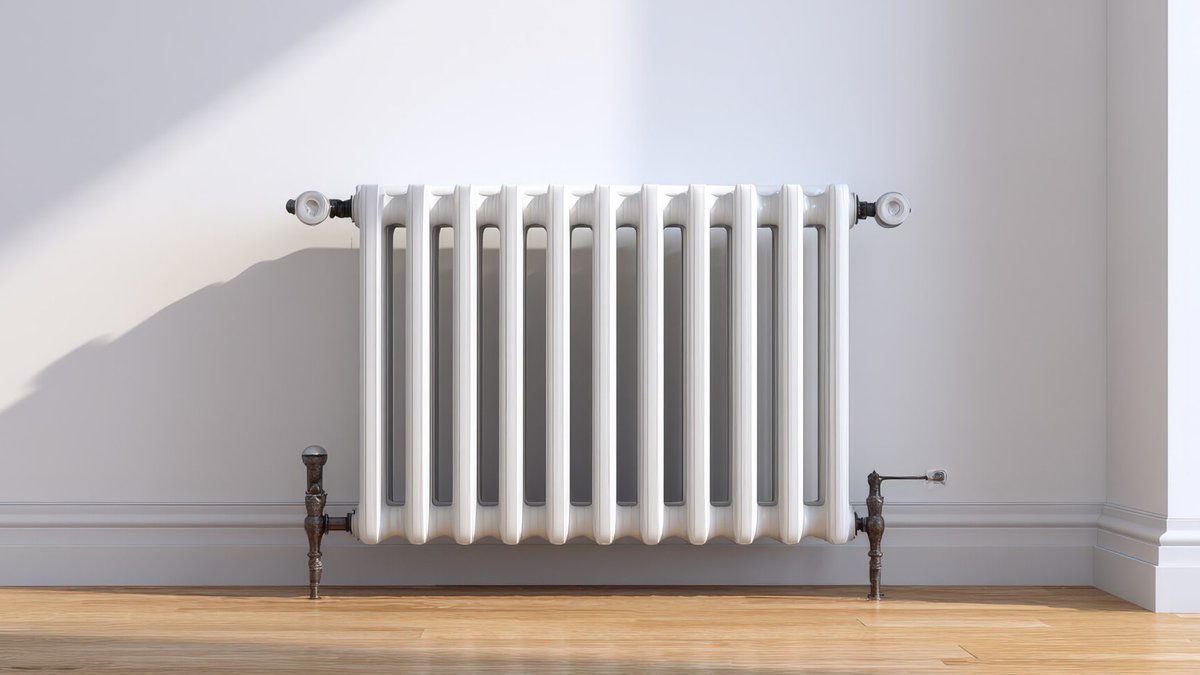
Baseboard radiator installation costs typically fall between $200 and $1,200 per unit for professional work. These low-profile heating solutions offer zoned comfort, but the total price depends heavily on the room size, the unit length, and whether the system is electric or hydronic. Homeowners often select these units for homes without existing ductwork, though they tend to use more energy than forced-air systems over time.
Electric vs. Hydronic Systems
Homeowners can choose between two primary heating types. Electric baseboard heaters are the cheaper upfront option, ranging from $50 to $130 per unit without installation, or roughly $200 to $1,100 with labor. These units draw in air and heat it with interior coils, requiring a dedicated circuit but no separate ductwork or pipes.
Hydronic baseboard radiators, which use hot water or oil, average between $180 and $320 per unit. With installation included, these systems cost roughly $430 to $1,200. They connect to a central boiler or use electric elements to warm the water. While electric models are less expensive to buy, hydronic systems are generally more energy-efficient because liquid retains heat better than electric coils.
Related: Renovation costs rise in 2025
The cost of electric and hydronic systems differs.
Electric systems cost $50–$130 per unit and $200–$1,100 with installation.
Hydronic systems cost $180–$320 per unit and $430–$1,200 with installation.
The length of the unit and the size of the room significantly impact the final bill. Most units measure 2 to 6 linear feet, though longer options exist. A larger home requires more units to meet heating demands, increasing both the upfront cost and the long-term energy bill.
Installation Labor and Additional Factors
Professional installation adds to the total project cost. Labor costs, home accessibility, and other factors also impact the final installation bill. Other expenses include permits for structural changes, the quality of the unit, and advanced safety features like smart controls. Replacing an existing unit is cheaper than a new installation because the electrical or plumbing infrastructure is already in place. Installing multiple units in a single room may qualify for contractor discounts, and searching for local rebates through the Database of State Incentives for Renewables & Efficiency can also lower the final price.
Related: Maine Lake House Feels Like Narnia
It is essential to ensure the setup meets current code.
HVAC professionals advise against DIY installation for hydronic units due to the risks associated with pipe pressure and boiler venting.
Improper work can void warranties and insurance policies.
Proper sizing is essential; underpowered systems force the equipment to work harder, leading to higher energy costs and potential system failure over the years.
Furniture should be at least three inches away from the units to allow for airflow.
Installing a boiler in a laundry room is generally discouraged because lint can clog the system.
