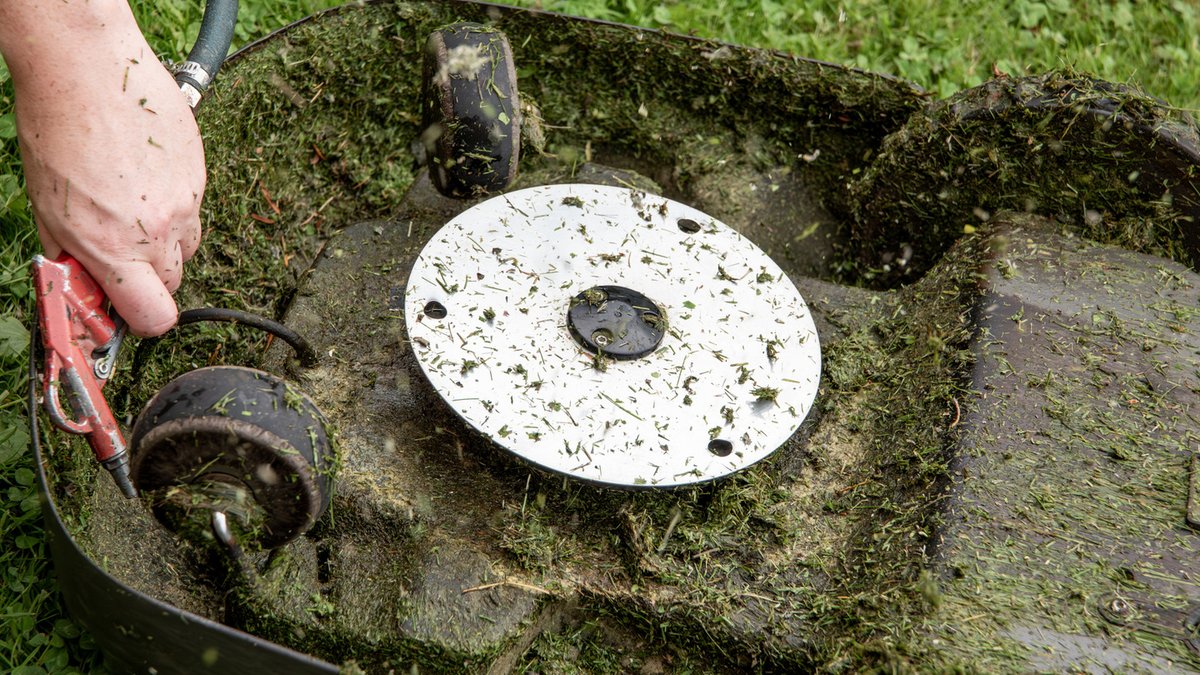
Ceramic coating, a liquid polymer originally created for automotive paint, is now being tested as a way to keep grass off lawn‑mower decks. Many lawn‑care professionals have already run small‑scale trials, noting that the coating’s slick surface seems to keep clippings from adhering as readily as untreated metal.
Developed to protect car finishes from harsh weather, the same polymer chemistry creates a barrier that resists moisture and adheres to smooth surfaces. When transferred to garden equipment, the material forms a clear skin that does not change the color of the metal but adds a slick quality that helps debris slide away. Because the polymer cures to a transparent film, the metal retains its original hue while gaining a low‑friction finish that encourages material to slide off.
How the polymer layer works
The coating forms a thin, water‑repellent film that bonds to the clear coat on the equipment. Its hydrophobic nature helps the deck shed water, dirt and clippings, making rinsing easier. The hydrophobic layer also repels many chemicals commonly encountered on lawns, such as fertilizers or mild acids, which helps preserve the deck’s paint underneath.
Because the film is not scratch‑proof, high‑speed debris can wear it down. Manufacturers note that owners may need to reapply 2‑3 times per season to maintain the effect. Its resistance to solvents means routine hose‑down cleaning won’t degrade the coating as quickly as exposure to abrasive grit would.
After the initial coat cures, the surface tension of water droplets changes, causing them to bead and roll off rather than cling. This shift reduces the amount of grass that can become embedded in the deck’s ridges during a typical mowing session.
Choosing and applying the treatment
Quality varies widely. Professional‑grade products require careful preparation and are usually applied by specialists, while cheaper DIY options are easier to use but tend to last shorter.
Spray‑and‑wipe formulas are convenient, but hand‑applied versions generally provide better coverage. Regardless of type, a clean, smooth surface before application is essential for optimal performance.
Some brands market versions specifically for garden tools, such as Sta‑Bil Ceramic Pro Guard, which is promoted as a WD‑40 alternative for mower decks.
Preparation typically involves washing the deck with a mild detergent, rinsing thoroughly, and allowing the metal to dry completely. Skipping this step can trap moisture under the polymer, leading to premature peeling.
Application guidelines advise working in a well‑ventilated area, wearing gloves, and applying the product in thin, even layers. After each coat, a short drying period of about ten minutes is recommended before the next layer is added.
Real‑world results and considerations
Influencers on video platforms have posted mixed experiences. A handful reported a modest drop in clinging grass compared with a factory finish, while others saw no noticeable change.
The informal tests often involved applying the film to a nearly new deck and checking adhesion after a few hours, a method that may not capture long‑term benefits.
Even when the film does not dramatically lower buildup, its water‑repelling traits still make hose‑down cleaning more effective. Traditional tools for removing grass from blades and decks remain viable if a spray alone falls short.
Cost analysis shows that the price of a single bottle of professional‑grade coating can be offset by the labor saved during weekly clean‑ups, especially for crews that service multiple mowers each day.
Users who have kept a treated deck for several months note that the coating gradually thins but continues to provide a noticeable glide effect after each reapplication cycle.
Overall, the technology offers a practical way to reduce the time spent scrubbing mower decks, extending the interval between deep‑cleaning sessions while preserving the equipment’s original finish.
