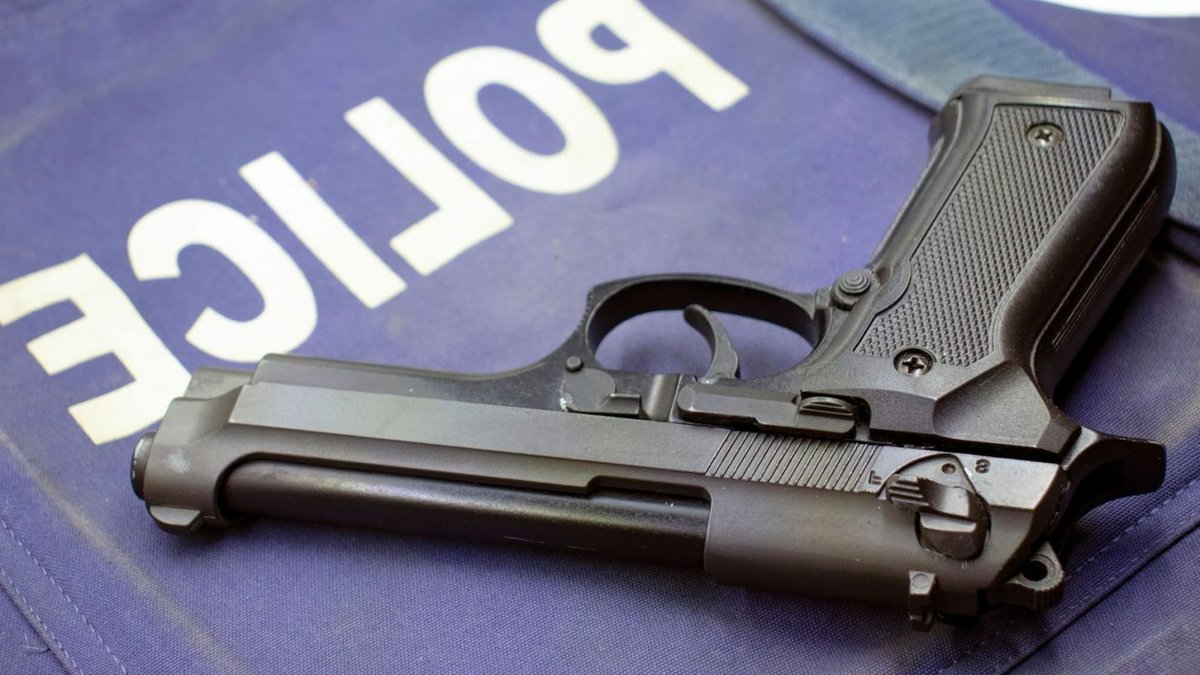
Jamaica is preparing to introduce stricter punishments for illegal firearms, including a suggested minimum prison term of 20 years. The Government intends to confront organized crime and the rising exploitation of minors by criminal groups.
The National Security Council (NSC) announced recommendations on Sunday to strengthen the Firearms (Prohibition, Restriction and Regulation) Act, 2022. These changes will also introduce additional protections for vulnerable children and address fairness concerns within the existing legislation.
Tougher Sentences and Legal Concerns
The proposed increase would raise the mandatory minimum sentence for illegal firearm possession from 15 to 20 years. This significant tightening of Jamaica’s approach to gun crime comes amid growing concerns within the legal profession about the application of mandatory minimum sentences.
Defence attorneys have argued that courts should retain sufficient discretion to distinguish between hardened criminals and individuals whose circumstances may warrant different treatment. The government’s challenge will be to strengthen deterrence without creating disproportionate outcomes.
Protecting Children from Criminal Recruitment
A key proposal is the creation of a criminal offense targeting adults who recruit or groom children to handle illegal firearms. This offense would cover adults involving minors in acquiring, transporting, storing, or using guns.
The NSC also calls for further consideration of how the justice system handles children found with illegal firearms, distinguishing between those knowingly participating in criminal activity and those threatened, manipulated, or exploited by adults.
The proposed legislation will also seek greater clarity around imitation firearms, particularly the distinction between ordinary toys and realistic replicas. Firearms with expired licenses will also receive additional consideration.
The NSC’s proposals reflect a disturbing trend in Jamaica‘s organized crime, where children are increasingly exploited as instruments of criminal activity, often before they fully understand the consequences.
Read Also: What a Roof Inspection in Gulf Coast Reveals Before Storm Season
The proposals come at a time when Jamaica continues to confront the wider consequences of gun violence, not only for public safety but also for the stability of communities, family life and the security of homes.
Before the proposed amendments take effect, the Government intends to introduce a firearm amnesty and cash buyback programme. The initiative is designed to encourage individuals holding illegal weapons to surrender them. Details on payment levels, eligibility, and implementation are yet to be announced.
The Ministry of National Security and Peace has been instructed to prepare draft legislation by the end of November 2026, with wider consultations expected afterward. The recommendations are not yet law and remain subject to the legislative process.
Community Impact and Property Sector Concerns
The NSC’s recommendations highlight the broader impact of gun violence on Jamaican communities. The presence of organized crime can erode the sense of security in homes and neighborhoods, affecting family life and community development.
Gun Amnesty, Drug Trafficking, and National Security
The NSC also addressed Jamaica’s ongoing battle against international drug trafficking. The council warned of potential increases in trafficking attempts through Jamaica due to changes in regional routes and called for enhanced maritime surveillance, port security, and international cooperation.
In addition, the NSC reviewed a deadly police operation in Sligoville, St Catherine, where two officers lost their lives. This incident highlighted the risks faced by security personnel in combating heavily armed criminal networks within communities.
To further combat organized crime, the NSC recommended replacing the existing dealer and demonstration vehicle registration plate system with a more controlled electronic system. This new system would use GPS and RFID technology to link temporary plates to specific vehicles, improving tracking and preventing criminal misuse.
The proposed changes are not yet law and remain subject to the legislative process.
