Condominium facilities are often among the first things that catch a buyer’s attention. Swimming pools, gyms, landscaped gardens, function rooms and recreational areas can create an attractive impression during a property viewing.
However, an extensive facilities package does not automatically make one condominium better than another.
For a buyer, the more useful question is whether those facilities provide genuine value for the household. A facility that is used regularly can improve everyday living, while an impressive feature that rarely gets used may add little practical benefit.
This distinction becomes particularly important in Singapore, where private residential developments can differ significantly in their approach to shared amenities.
Facilities Should Serve a Purpose
The best condominium facilities are not necessarily the most numerous.
They are the ones that match the lifestyle of the people who live there.
A household with young children may value safe outdoor areas and family-friendly recreational spaces. Someone who exercises frequently may place greater importance on fitness facilities. Buyers who regularly entertain guests may appreciate communal spaces designed for gatherings.
On the other hand, a resident who spends most of the day outside the home may have little interest in a large collection of shared amenities.
Before comparing facilities, think about your actual habits.
Swimming Pools Are Common, but Not Equal in Importance
Pools are a familiar feature of Singapore condominium living.
For some residents, a pool provides an easy way to exercise or relax without leaving the development. Families may also value having a recreational area close to home.
But buyers should consider how frequently they are realistically going to use it.
If swimming is not part of your routine, the presence of a large pool may not justify paying a substantial premium for the property.
The surrounding design matters as well. Consider whether the pool area is attractive, practical and appropriately positioned relative to the units.
Noise and privacy can also become relevant for apartments located immediately beside busy communal areas.
Fitness Facilities Can Support an Active Lifestyle
A gym can be useful for residents who exercise regularly.
Convenience is its biggest potential advantage. Having fitness equipment within the development removes the need to travel to a commercial gym for every workout.
However, buyers should look beyond the existence of a gym.
Consider its size, equipment and likely level of usage.
A small fitness room may be perfectly adequate for someone who needs basic equipment, while a serious fitness enthusiast may have different expectations.
The same principle applies to other sports facilities.
What matters is whether the offering fits your habits.
Children’s Facilities Can Matter to Families
Families often evaluate condominium facilities differently from singles or couples.
Children’s play areas, pools and open spaces can provide convenient recreational options.
Safety and visibility are important considerations.
Parents should think about whether children can use the facilities comfortably and whether the layout allows adults to supervise them easily.
The surrounding neighbourhood also matters.
A development with useful internal facilities can be appealing, but families should still consider nearby parks, schools and other activities outside the condominium.
Gardens and Landscaped Areas Offer More Than Decoration
Landscaping is sometimes treated as a purely visual feature.
In reality, well-designed outdoor spaces can influence the atmosphere of a development.
Green areas may provide places to walk, sit or relax without leaving the property.
For residents who value a quieter environment, landscaping can contribute to the overall experience of living in a condominium.
However, buyers should assess the actual usability of these spaces rather than judging them from promotional images.
A beautifully landscaped area is most valuable when residents can comfortably access and enjoy it.
Function Rooms Can Be Useful for Certain Households
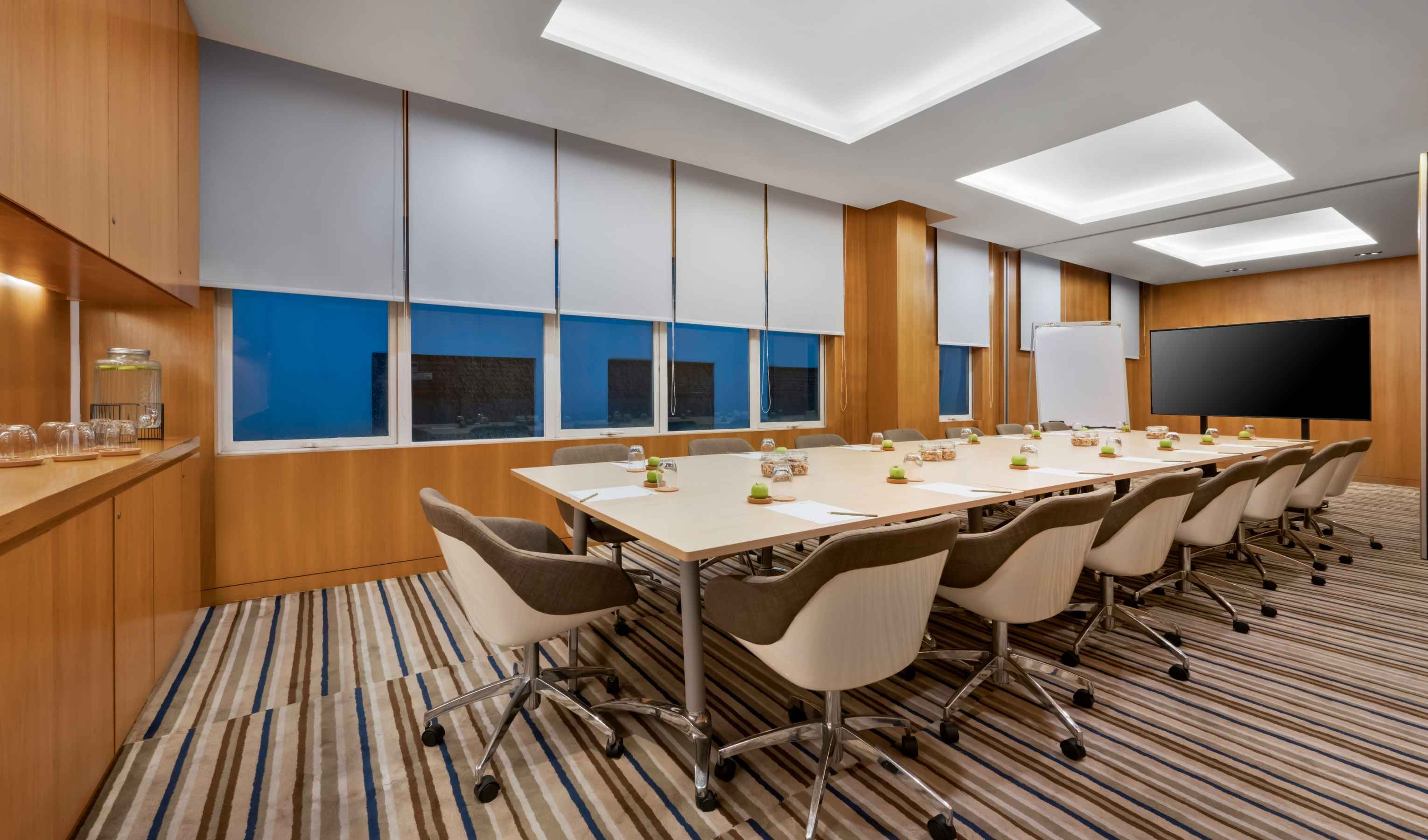
Function rooms and communal spaces can provide flexibility for gatherings and events.
They may be useful for family celebrations, meetings or other activities that would be difficult to accommodate inside a smaller apartment.
Yet again, frequency of use matters.
A buyer should consider whether such facilities will genuinely replace activities that would otherwise require renting an external venue.
For some households, that convenience can be meaningful. For others, it may have little relevance.
Facilities Can Affect the Ownership Experience
Shared amenities influence more than lifestyle.
They can also affect the overall character of a condominium.
A development with extensive facilities may feel more like a self-contained residential environment, while a smaller development with fewer shared spaces may provide a quieter or simpler experience.
Neither model is automatically superior.
Buyers should consider what they actually want from condominium living.
Some people value having many recreational options within walking distance. Others prefer paying for a home with fewer shared facilities and spending their leisure time elsewhere.
More Facilities Can Mean More Maintenance
Every shared facility requires maintenance.
This is an important consideration when comparing developments.
Large pools, gyms, landscaped areas and recreational facilities all require ongoing upkeep.
The costs associated with maintaining shared spaces can contribute to the overall expenses of condominium ownership.
Buyers should therefore avoid assuming that additional facilities are free benefits.
When assessing different properties, consider the relationship between the facilities offered and the recurring costs associated with maintaining them.
Location Can Be More Important Than Facilities
A development may have an impressive facilities package but still be less suitable if its location creates daily inconvenience.
For many homeowners, easy access to transport, supermarkets, healthcare, schools and other essential services will have a more direct impact on everyday life than the number of recreational facilities available inside the development.
This is particularly relevant for long-term buyers.
A pool may be enjoyable on weekends, but a difficult commute can affect your routine every working day.
Facilities should therefore be evaluated as part of the overall property package rather than as an independent measure of quality.
Consider How the Facilities Affect Privacy
Facilities located close to residential units can influence privacy and noise.
A unit overlooking a pool or communal gathering area may provide an attractive view but could also experience greater activity.
Similarly, apartments near function rooms, playgrounds or fitness areas may have different noise conditions from units positioned farther away.
This is why unit selection matters even within the same development.
Buyers should examine the relationship between their preferred apartment and the shared spaces around it.
Look at Facilities From a Resale Perspective
Facilities can contribute to a property’s appeal, but they should not be viewed as a guarantee of future price performance.
Future buyers will evaluate the entire property.
Location, pricing, unit layout, condition and neighbourhood characteristics can all matter.
A facilities package may help a development stand out, particularly among owner-occupiers who value lifestyle convenience.
However, buyers should avoid paying an excessive premium simply because a development has more amenities than competing projects.
Consider What Your Target Tenant Wants
For investment properties, facilities should be considered from the tenant’s perspective.
Different tenant groups value different amenities.
Young professionals may appreciate fitness facilities and convenient communal spaces. Families may prioritise pools and children’s areas.
The likely tenant profile should therefore influence the assessment.
An investor researching a project such as Lucerne Grand should consider how the development’s overall offering fits the likely preferences of prospective residents rather than simply counting its facilities.
The same principle applies to any condominium being evaluated as a rental asset.
Compare Facilities With Nearby Amenities
A condominium’s internal facilities should also be considered alongside what is available outside the development.
If a neighbourhood already has excellent public parks, gyms, swimming facilities or recreational options, buyers may place less importance on having extensive versions of those amenities within their own development.
Conversely, if external recreational options are limited, internal facilities may have greater practical value.
This is another reason to evaluate the surrounding neighbourhood before making a decision.
Think About Your Actual Usage
A useful exercise is to divide facilities into three categories.
The first group consists of amenities you are likely to use frequently.
The second includes facilities you might use occasionally.
The third contains amenities that are unlikely to influence your lifestyle at all.
This helps put the facilities package into perspective.
If most of the features fall into the third category, there may be little reason to pay a substantial premium for them.
Facilities and Household Changes
Your use of facilities can change over time.
A young couple may not care about children’s facilities initially but could find them useful later. Conversely, a family may place less emphasis on playgrounds once children become teenagers.
This reinforces the value of choosing a development with a balanced range of facilities rather than focusing on one specific feature.
A versatile environment can accommodate different stages of life.
Do Not Forget the Surrounding Community
The atmosphere created by shared facilities can influence how residents interact.
Some buyers enjoy a lively communal environment, while others prefer a more private experience.
Consider how much interaction you want with neighbours.
A development designed around extensive shared spaces may naturally encourage more activity. A smaller project may provide a different residential atmosphere.
Neither is inherently better.
The right choice depends on your preferences.
Compare Different Development Types
When researching condominiums, compare projects with similar intended buyer profiles.
For instance, Amberwood at Holland can be examined alongside other suitable residential developments if its location and property characteristics align with your requirements.
Instead of simply comparing the number of facilities, consider how the entire development fits into your lifestyle.
Look at the neighbourhood, unit design, accessibility, privacy and ownership costs together.
This provides a more realistic picture of value.
Ask Whether Facilities Will Still Matter Later
Before paying extra for a particular amenity, think about its long-term usefulness.
Will you still use it several years from now?
Will your household’s needs change?
Could a different facility become more important?
This type of forward thinking is particularly valuable when buying a property that you expect to own for many years.
A Simple Way to Evaluate Facilities
Buyers can create a basic checklist when comparing developments:
- Which facilities will I use frequently?
- Which ones are useful only occasionally?
- Are there amenities nearby that provide similar functions?
- Could the facilities affect privacy or noise?
- What ownership costs are associated with maintaining shared spaces?
- Do the facilities suit my household’s expected future needs?
- Will they matter to potential tenants or future buyers?
The answers can reveal whether the facilities package represents genuine value.
Conclusion
Condominium facilities can enhance life in a Singapore private residence, but their value depends on how well they match the people who live there.
Buyers should look beyond attractive images and long facilities lists. Consider actual usage, maintenance implications, privacy, noise, neighbourhood amenities and future household needs.
A large facilities package is not automatically superior to a simpler development.
The strongest choice is usually the one where the amenities complement the property’s location, layout and overall cost. By evaluating facilities as part of the complete home rather than as standalone attractions, buyers can make a more balanced decision and avoid paying for features that do not meaningfully improve their everyday lives.
