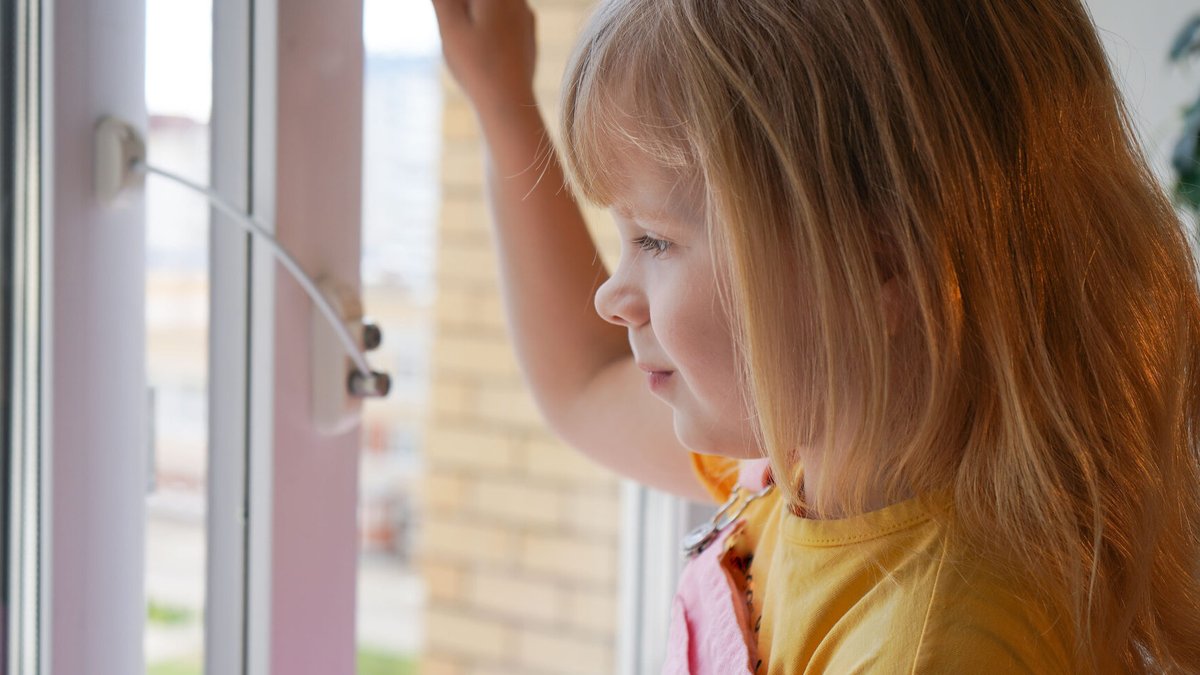
Parents looking to childproof windows have a range of inexpensive tools that can reduce the risk of falls and injuries for young children.
Common Devices and How They Work
Window guards and window stops are the most frequently recommended solutions. Guards consist of metal or plastic bars spaced less than four inches apart, creating a barrier that prevents a child from slipping through an opening. Stops, which typically cost around $12 per window, wedge into the track and limit how far a sash can open.
For sliding windows, side‑track stops or keyed locks are preferred. These devices lock the window in place and keep the opening narrow enough to stop a child from climbing out. Double‑hung windows can use either guards or stops.
Locks that come with most modern windows—often simple flip locks—are easy for toddlers to manipulate. Upgrading to a keyed lock, which functions like a front‑door lock, makes it virtually impossible for a child to open the window without a key. Prices for keyed locks range from $10 to $20, and sliding‑window locks can be found for as little as $5.
Corded blinds present a strangulation hazard. Replacing them with cordless models eliminates dangling cords and uses a tension mechanism and a side wand for adjustment.
Related: Beware of Dishonest Window Replacement Contractors
Special Considerations for Different Window Types
Basement egress windows must remain operable for emergencies, so child‑proofing them requires locks that adults can open quickly while still keeping children out. The same principle applies to upstairs bedrooms and nurseries, where the combination of a guard and a stop offers layered protection.
Screen panels are not safety devices; they allow air flow and keep insects out but do not stop a child from falling. The Safe Kids Worldwide report notes an average of eight children under five die each year from window falls, with more than 3,300 injuries.
Shatter‑resistant window film adds another layer of safety by holding glass together if it breaks. The film can prevent cuts from broken panes, though it does not stop a child from opening the window.
Safety should never be an afterthought.
In my experience, the most effective setups combine physical barriers with environmental changes. A guard alone might stop a fall, but if a child can still reach the window handle, the risk remains. Pairing a guard with a lock and rearranged furniture creates a complete safety net.
Related: Lake House Emulates Nantucket Charm
After installing any device, it is essential to test it repeatedly to confirm that it cannot be opened by a child. Older kids should also be taught how to operate emergency‑release latches where applicable.
When choosing products, buyers should verify that the items fit their specific window dimensions. Ill‑fitting guards or stops can be ineffective, and manufacturers often list size ranges on packaging.
While the cost of childproofing is modest, the potential benefit—preventing a serious injury or fatality—is substantial. Homeowners can start by measuring each window, prioritizing high‑risk rooms such as second‑story bedrooms, and then selecting the appropriate combination of guards, stops, locks, or film.
Ultimately, the goal is to create a safe environment that allows parents to relax while their children play. By using affordable hardware, eliminating cords, and keeping furniture away from windows, families can significantly lower the chances of a tragic accident.
