The number of participating teams increases from 32 to 48, representing a 50% rise, while the total match count rises to 104. This expansion, combined with three co-host nations, creates the largest event of its kind ever staged.
A Three-Nation Host
For the first time in tournament history, the United States, Mexico, and Canada will jointly host the event. The United States carried the heaviest hosting load, staging 78 of the 104 matches. Mexico becomes the first nation to host or co-host the World Cup three times, following its stints in 1970 and 1986. Canada makes its debut as a host nation with games in Toronto and Vancouver.
The opening match took place in Mexico City at Estadio Azteca on June 11, 2026, featuring co-hosts Mexico and South Africa. This historic venue becomes the first stadium to host matches across three different World Cups, having previously staged games in 1970 and 1986. The final is scheduled for July 19, 2026, at MetLife Stadium in East Rutherford, New Jersey, in front of an expected crowd of 82,500.
Scale and Records
The tournament runs for 39 days, making it the longest in history. Independent analysts estimate the event will generate between $40 billion and $80 billion in global economic activity, making it the most economically impactful sporting event ever held.
Prize money for the champion rises to $50 million, up from $42 million at the previous tournament. While the scale of the event is undeniable, some factors complicate the picture. The source notes that actual attendance and turnout have become a live talking point, with reporting highlighting high ticket prices and visa and travel-entry friction for fans from some countries.
Read Also: Thailand Offers Cultural and Leisure Activities
The tournament’s first match echoed the 2010 World Cup opener, which also paired the same opponents.
Host Cities and Venues
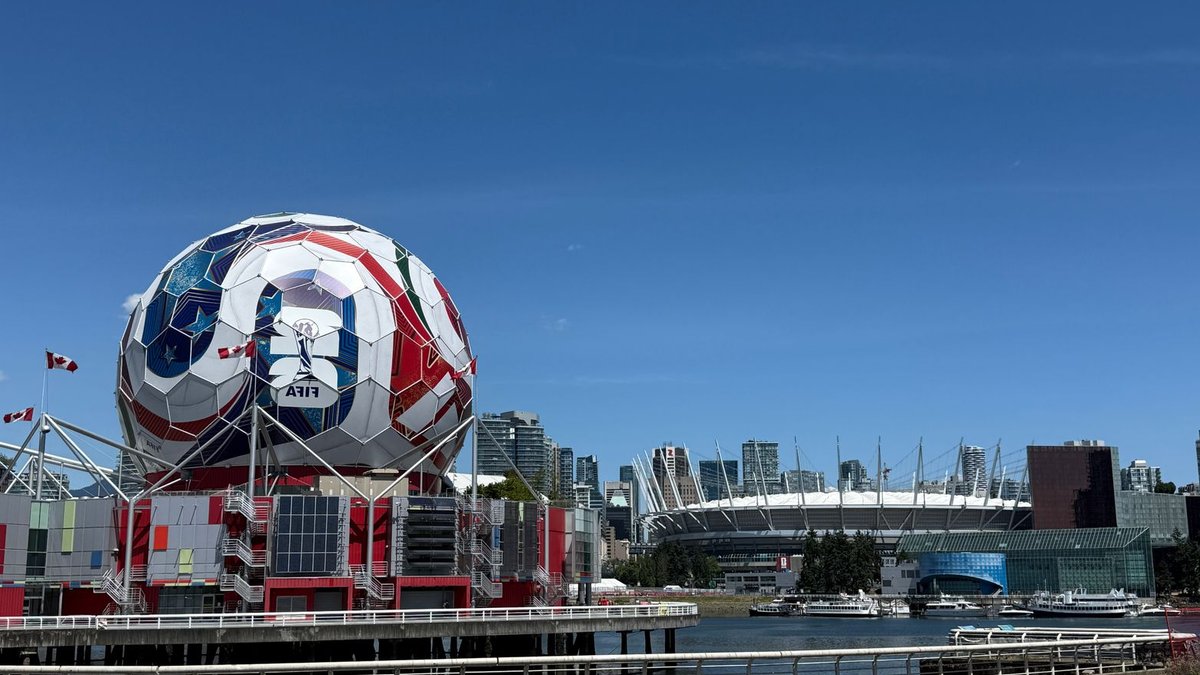
Across North America, 16 host cities will stage matches during the tournament. The United States contributes eleven locations, while Mexico offers three and Canada provides two.
American venues include Atlanta, Boston, Dallas, Houston, Kansas City, Los Angeles, Miami, New York/New Jersey, Philadelphia, the San Francisco Bay Area, and Seattle. Mexican sites are Mexico City, Guadalajara, and Monterrey. Canadian cities are Toronto and Vancouver.
Mexico and Canada together host 26 games, balancing the United States’ larger share. This arrangement spreads logistical demands among the three nations, reducing pressure on any single infrastructure system.
The changes apply to all match locations, ensuring consistent sponsorship standards.
Ticketing and Attendance
The site hosts a Last-Minute Sales Phase that runs through the tournament’s conclusion.
Read Also: Himachal Pradesh travelers now book HRTC buses online to avoid
Both channels require users to act quickly, as listings appear sporadically.
Resale fees total roughly 15 percent of the ticket price for buyers and sellers, potentially adding up to 30 percent overall. These costs influence market prices, especially for high-profile matches.
All tickets are delivered digitally via the FWC26 Mobile Tickets app; no paper or emailed tickets are accepted, and screenshots will not grant entry.
Independent analysts project total attendance at approximately 6.5 million spectators, including around 2.6 million international visitors to North America. The United States leg alone is expected to attract about 1.24 million overseas travelers, who typically stay twelve days and attend two matches each.
Resale reporting has already highlighted a front-row seat sold for $32,000, marking one of the most expensive World Cup tickets recorded.
