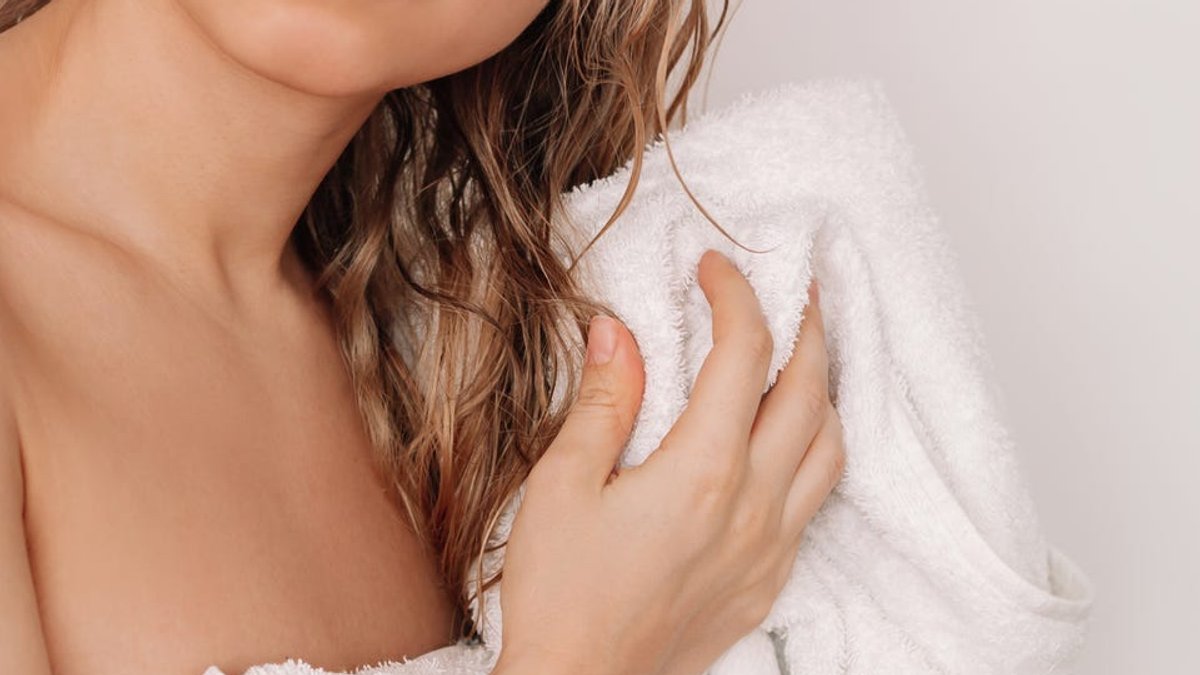
High porosity hair absorbs moisture quickly but struggles to retain it, leaving strands dry, frizzy, and prone to breakage. Unlike low or medium porosity hair, which holds moisture well, highly porous hair has uneven or damaged cuticles that allow moisture to escape as fast as it enters. The result is hair that feels dry within hours of washing, tangles easily, and loses strength over time.
The condition often has genetic roots, but environmental factors worsen it. Sun exposure, frequent heat styling without protection, bleach, and chemical treatments weaken the hair’s outer layer. Each bleach or dye session raises porosity further. If coloring is unavoidable, experts suggest using ammonia-free dyes and following up with a bond-repair treatment.
Testing for high porosity doesn’t require lab equipment. After brushing clean hair, drop a few strands into water. If they sink immediately, the hair is highly porous. If they float, it’s low porosity; if they sink slowly after a few seconds, it’s medium. Dermatologists confirm that highly porous hair often appears dull, feels rough, and struggles to hold curls or styles for long.
How to hydrate and seal porous hair
Managing high porosity hair hinges on balancing moisture retention with product absorption. Standard shampoos strip natural oils, leaving hair drier. Experts recommend sulfate-free formulas paired with deeply hydrating conditioners. Leave-in treatments with ingredients like shea butter, manuka honey, or sea buckthorn oil create a protective barrier, sealing cuticles to lock in hydration.
Styling habits also play a critical role. Tight hairstyles—like high ponytails or braids—pull on weakened strands, increasing breakage. Sleeping on cotton pillowcases adds friction, lifting cuticles and accelerating dryness. Switching to silk or satin reduces breakage.
Regular trims every four to six weeks remove split ends before they travel up the shaft, preventing further damage. Hair masks with protein-moisture blends, like those containing hydrolyzed wheat protein and glycerin, restore elasticity. Consistency is key: skipping treatments or using alcohol-heavy products quickly undoes progress.
Read Also: Experts Advise Against Storing Cleaning Products in Garages or Under
Myths and realistic expectations for repair
The most critical error is assuming high porosity hair is permanently damaged. While genetics and past treatments play a role, daily habits can reverse some effects. The goal isn’t perfection; it’s managing moisture loss through smart product choices and gentle handling. For many, the difference between brittle strands and healthy-looking hair comes down to adjusting routines rather than drastic measures.
Conditioners are equally important, but not all are equally effective. Heavy butters like mango or illipe butter penetrate deeply without weighing strands down. Others prefer lighter alternatives such as aloe vera gel or glycerin-based conditioners, which provide hydration without residue. Applying conditioner to damp hair and distributing it evenly from mid-length to ends, while avoiding the scalp, prevents buildup.
Heat styling poses risks for high porosity hair. While tools like flat irons or curling wands can enhance texture, they worsen cuticle damage without protection. Experts recommend setting devices to no higher than 350°F (175°C) and applying a heat protectant spray containing dimethicone or cyclopentasiloxane. These ingredients form a temporary shield. Air-drying can also be adjusted: wrapping hair in a microfiber towel or cotton T-shirt, rather than rubbing with a regular towel, reduces friction and cuticle lift.
Salon treatments and long-term protection strategies
Salon treatments offer targeted solutions, though results vary. Protein treatments with hydrolyzed wheat or soy protein restore elasticity, but overuse can make hair brittle. Alternating protein and moisture treatments weekly balances the effects.
The final step in managing high porosity hair is consistency. Even the best products fail if habits revert to damaging practices. Wearing a silk scarf while swimming or using a UV-protectant hair spray with octinoxate or zinc oxide prevents sun-induced porosity increases. Small adjustments, like switching to a satin-lined bonnet at night or using a boar-bristle brush to distribute natural oils, compound over time. The goal isn’t to reverse porosity entirely but to slow its progression and preserve what remains.
