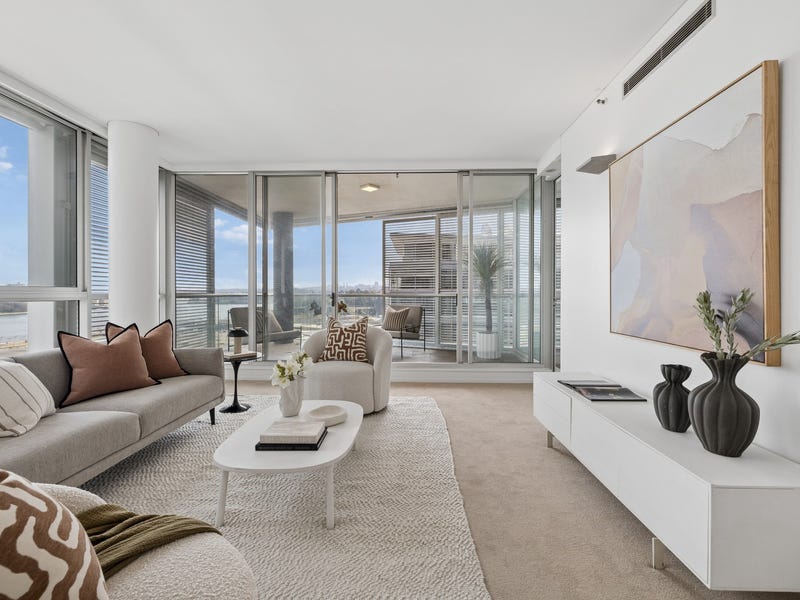
A condominium balcony can become much more than an architectural feature when it is planned around everyday comfort and practical use. Buyers researching Linktown Residences should consider how a balcony’s size, orientation, exposure to rain and sunlight, and relationship with the living room affect its usefulness throughout the year. A thoughtfully arranged balcony can provide space for relaxation, container gardening or morning coffee without requiring extensive renovation or expensive outdoor furniture.
Singapore’s tropical climate presents particular challenges for outdoor residential spaces. Heat, humidity, sudden downpours and strong sunlight can influence the choice of furniture, plants and decorative materials. Wind exposure and condominium management rules may also determine which additions are appropriate.
Instead of treating the balcony as an area to decorate after moving in, buyers should evaluate it as part of the apartment’s overall living environment. The best design is one that fits the available space, remains manageable to maintain and supports the household’s preferred activities.
1. Decide How You Want to Use the Balcony
Before purchasing furniture or plants, establish the main purpose of the balcony.
Some residents want a quiet place to read or enjoy a drink. Others prefer growing herbs, creating a small outdoor dining area or maintaining a collection of ornamental plants.
Trying to accommodate every activity can make a compact balcony crowded. Choosing one primary purpose and perhaps one secondary use usually produces a more practical arrangement.
For a relaxation area, a comfortable chair and a small side table may be sufficient. A gardening-focused balcony might need space for planters, watering equipment and convenient access to plants.
If you intend to eat outdoors, consider the number of people who will use the space and whether the available area allows chairs to be pulled out comfortably.
Measure the balcony before buying anything. Include the space required for doors to open, furniture to move and residents to pass safely.
Also consider how often the area will be used. An elaborate outdoor dining arrangement may not justify its cost if the balcony is rarely occupied.
A clear purpose makes it easier to select suitable materials, control expenditure and avoid filling the area with unnecessary accessories.
2. Understand Singapore’s Weather Conditions
Singapore’s hot, humid climate means balcony furnishings need to withstand moisture, sunlight and changing weather conditions.
Materials that look attractive indoors may deteriorate quickly when exposed to outdoor conditions. Timber can require regular care, some fabrics may fade, and metal components can corrode if their protective finishes are unsuitable or damaged.
When choosing furniture, check whether the manufacturer specifically recommends it for outdoor use in tropical conditions.
Materials such as suitable outdoor-grade synthetic wicker, weather-resistant plastics and appropriately treated metals may be worth considering. However, durability depends on the quality of the product, its construction and the level of exposure.
Even weather-resistant furniture may benefit from protection during prolonged wet periods.
Consider cushions with removable covers and fabrics intended for outdoor use. Store movable textiles indoors when heavy rain is expected, and allow damp items to dry properly before storing them.
Avoid assuming that an item marketed as waterproof can remain permanently exposed without maintenance.
Before making a purchase, review the care instructions and replacement options. A slightly simpler design that withstands local conditions may provide better long-term value than delicate furniture that requires frequent replacement.
3. Manage Sunlight and Heat for Greater Comfort
A balcony can receive substantial direct sunlight depending on its orientation, surrounding buildings and architectural design.
Observe the balcony at different times of day, if possible, to understand when the area becomes brightest or hottest. This helps determine whether you need shade, heat-tolerant plants or furniture that remains comfortable under direct exposure.
The direction of the balcony alone does not provide a complete picture. Nearby buildings, overhangs and the depth of the balcony can influence its actual conditions.
Where permitted, suitable shading accessories may help reduce glare and improve comfort. However, do not install awnings, screens or other external structures without confirming the applicable development rules and approval requirements.
For an apartment where external modifications are restricted, movable furniture and appropriate plant selection may offer simpler ways to adapt the space.
Consider how the balcony affects the adjoining living room. Strong sunlight entering through glazed doors can contribute to indoor heat and glare, while shading arrangements may influence daylight.
The objective is to create a comfortable balance between outdoor enjoyment, natural light and indoor temperature.
4. Select Furniture That Fits the Available Space
Balcony furniture should be selected according to actual dimensions rather than showroom appearance.
A large lounge chair may look inviting but leave little room to move. A compact folding chair, a narrow bench or a small bistro-style table may provide greater flexibility in a limited area.
Before purchasing, measure the balcony’s width and depth, then sketch the proposed furniture arrangement.
Include the door’s opening path and any fixed elements that occupy space. Remember that furniture dimensions do not always account for the additional clearance needed to use it comfortably.
Folding furniture can be helpful when you want to keep the balcony open for different activities. Lightweight pieces may also be easier to move indoors during cleaning or adverse weather, provided they can be handled safely.
However, furniture must remain stable under the conditions expected at the balcony. Lightweight items can be displaced by strong wind, so follow the manufacturer’s guidance and secure or store them appropriately.
Avoid placing furniture where it obstructs drainage points or creates a trip hazard.
A small, carefully selected arrangement often creates a more inviting balcony than an overcrowded collection of outdoor accessories.
5. Create a Small Balcony Garden
Container gardening can bring greenery into a condominium without requiring a large outdoor area.
Before choosing plants, examine the balcony’s light exposure and consider how much time you can devote to watering, pruning and cleaning.
Sun-loving plants may struggle in a deeply shaded location, while some delicate varieties may suffer under prolonged direct sunlight. Select plants according to the conditions you actually observe rather than choosing them solely for their appearance.
Herbs can be useful for residents who enjoy cooking, while suitable ornamental plants can provide colour and texture.
Choose containers with appropriate drainage and use a growing medium suited to the selected plants. Excess water should not be allowed to accumulate in a way that encourages pests or creates hygiene problems.
Watering trays and drainage arrangements should be managed carefully so that water does not spill onto neighbouring balconies or common areas.
Also consider the weight of pots, wet soil and water-filled containers. Do not assume that a balcony can support any arrangement of heavy planters. Seek appropriate professional advice if you are planning a substantial garden or unusually heavy installation.
Buyers considering Lentor Signature should assess the specific balcony’s available space, exposure and applicable management requirements before planning a garden. The actual layout and permitted uses should be verified rather than inferred from general descriptions.
Start with a small number of suitable plants and expand only after you understand their maintenance needs.
6. Protect Privacy Without Making the Balcony Feel Closed In
Privacy can influence whether residents feel comfortable using an outdoor space.
Depending on the building layout, a balcony may face neighbouring apartments, shared facilities or other residential blocks. The level of visibility can vary considerably between individual units.
Observe the balcony from different positions and consider what can be seen from nearby windows or adjacent outdoor spaces.
Movable planters may provide some visual separation, but they should not obstruct drainage, overload the balcony or create unsafe arrangements. Plants should also be selected according to their mature size, not just their dimensions when purchased.
Before installing privacy screens, bamboo panels, external blinds or other barriers, check the condominium’s renovation and management requirements. Such additions may affect the building’s external appearance or create wind-related risks.
Avoid improvising coverings that could detach during strong gusts or interfere with emergency access.
Privacy can also be improved through furniture placement. Positioning a chair toward a less exposed view may provide a more comfortable setting without requiring permanent modifications.
The aim is to achieve a reasonable sense of seclusion while preserving openness, safety and compliance with the relevant rules.
7. Use Lighting to Extend Evening Enjoyment
Appropriate lighting can make a balcony more inviting after sunset.
For simple arrangements, consider portable lights specifically designed for outdoor conditions. Their placement should provide enough illumination for safe movement without creating unnecessary glare for neighbouring residents.
Solar-powered lights may be suitable where the balcony receives sufficient sunlight, although their performance depends on weather, exposure and battery capacity.
If fixed electrical lighting is required, use an appropriately qualified professional and confirm the relevant installation requirements.
Do not use indoor electrical products in exposed outdoor locations unless the manufacturer explicitly states that they are suitable for the conditions.
Keep cables away from walking routes and ensure that any lighting installation does not interfere with drainage or access.
A modest lighting arrangement can provide atmosphere without requiring multiple fixtures or extensive electrical work.
Consider the balcony’s relationship with the living room as well. Warm, appropriately positioned light may help the two spaces feel visually connected during the evening.
8. Keep Drainage and Cleaning in Mind
Balcony maintenance is an important part of long-term usability, particularly during periods of heavy rain.
Before arranging furniture or planters, identify the location of drainage outlets and ensure they remain accessible.
Leaves, soil and other debris can accumulate around drains, potentially affecting water flow. Regularly inspect the area and follow the property’s maintenance guidance.
Avoid covering drainage points with storage boxes, rugs or heavy planters. Do not make unauthorised changes to drainage arrangements or waterproofing.
Choose furnishings that can be moved when the balcony needs cleaning. If furniture is difficult to shift, routine maintenance may become unnecessarily inconvenient.
Outdoor rugs should be suitable for the environment and should not trap persistent moisture against surfaces. Allow wet materials to dry according to their care requirements.
Check planters and their drainage trays periodically, especially after prolonged rain. Remove standing water where appropriate and maintain suitable hygiene to discourage pests.
If you notice recurring water accumulation, leaks or damage, report the issue to the relevant managing agent or seek qualified assessment rather than attempting an unapproved repair.
A balcony that is easy to clean will generally remain more pleasant to use.
9. Check Condominium Rules Before Installing Accessories
Condominium balconies are part of a shared residential environment, so owners should not assume that every decorative or functional addition is permitted.
Rules may address external alterations, hanging objects, visible drying arrangements, planters, lighting, screens and activities that could affect neighbours.
The precise requirements depend on the development and the proposed installation.
Before buying fixed accessories, request the applicable guidelines from the managing agent. Confirm whether approval is required and whether particular materials, colours or installation methods are restricted.
Pay attention to safety. Items must not be positioned where they could fall, become dislodged in strong winds or create hazards for people below.
Avoid throwing water or debris over the balcony edge. Watering plants and cleaning surfaces should be managed so that neighbouring residents are not affected.
If the apartment is leased, review the tenancy agreement and obtain any required landlord consent before making changes.
A design that respects these requirements is more likely to remain practical without creating disputes or costly removal work later.
10. Keep the Balcony Flexible as Your Needs Change
A balcony’s ideal arrangement may change as household routines evolve.
Someone who initially enjoys gardening might later prefer a quiet reading corner. A household that entertains guests may eventually prioritise easier cleaning or additional open space.
Movable furniture allows the arrangement to adapt without extensive renovation.
Choose pieces that can serve more than one purpose, such as a compact table that works for both drinks and gardening tasks. Keep decorative accessories limited enough that the balcony can be rearranged without considerable effort.
Review the area periodically and remove items that are rarely used.
If the balcony becomes crowded, reconsider the purpose of each object instead of immediately purchasing more storage.
For households with young children or pets, reassess the arrangement whenever circumstances change. Maintain suitable barriers and supervision, and never rely on furniture as a safety barrier.
Flexibility allows the balcony to remain useful rather than becoming an area reserved for storing unwanted belongings.
Conclusion
A well-designed condominium balcony should reflect the household’s preferred activities while responding to Singapore’s tropical weather and the practical limits of the space.
Begin by deciding how the balcony will be used, then select suitable furniture, plants and lighting according to actual dimensions and exposure. Keep drainage accessible, plan for regular cleaning and verify condominium rules before installing external accessories.
You do not need expensive furnishings or an elaborate garden to create an inviting outdoor area. A few carefully chosen pieces, appropriate maintenance and a clear purpose can turn a balcony into a valuable extension of everyday living.
Before purchasing accessories, inspect the specific balcony and confirm its restrictions. This simple step can help you create an attractive, comfortable space that remains practical throughout the year.
