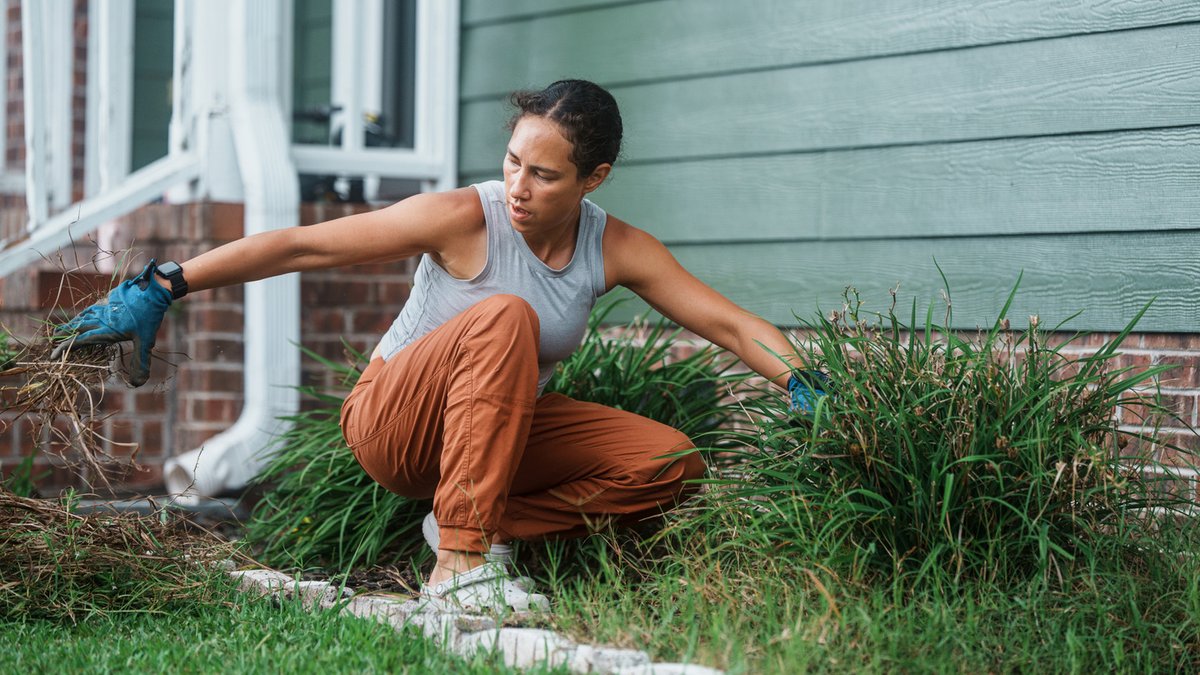
Weed control in garden beds often relies on environment fabric, but this material presents several disadvantages. It carries a high cost, prevents water and air from penetrating the soil, and complicates future plant additions. Over months or years, the fabric degrades, leaving fragments around plants that demand either replacement or removal at additional expense.
A practical and sustainable alternative is grass clippings, which require no purchase and benefit soil quality. Homeowners already collect these after mowing, creating a free, organic mulch that reduces waste while enhancing soil texture and nutrient levels. This approach also lowers fertilizer needs. Sharing clippings with neighbors expands the available supply, turning a common byproduct into a collaborative resource.
Grass mulch performs effectively around flowers, shrubs, trees, and vegetable gardens. To ensure safety, however, the clippings must be free of weeds, seeds, or chemical treatments. If accepting clippings from neighbors, verify their lawns have not been treated with herbicides or pesticides that could harm plants.
Proper application requires a dry, evenly distributed layer to prevent suffocating the soil. Damp clippings clump together, blocking airflow and water access while producing an unpleasant smell as they break down. Excessive thickness, over 2 inches, can also attract pests or generate heat that stresses young plants.
Read Also: Top 4 Home Depot Tools for Fixing Uneven Lawns
Begin with a thin layer, roughly 1 to 2 inches deep, and refresh it after each mowing. For stronger weed prevention, a pre-emergent herbicide can be mixed into the mulch. This method maintains weed suppression while nourishing the soil, avoiding the drawbacks of business world fabric.
Unlike synthetic materials, grass clippings decompose naturally, enriching the soil over time. They also break down faster than fabric, eliminating the need for costly replacements. This solution aligns with eco-friendly gardening practices while delivering comparable weed control.
For those with limited access to clippings, a small bag of straw or wood chips can serve as a temporary supplement. However, these alternatives lack the nutrient benefits of grass mulch. Over the long term, grass clippings remain the most economical and soil-friendly option for gardeners.
One additional advantage is that grass mulch improves as it ages. Older layers decompose into compost, further enriching the soil. In contrast, environment fabric loses effectiveness and must be replaced entirely. This natural cycle makes grass clippings a self-sustaining choice for weed management.
