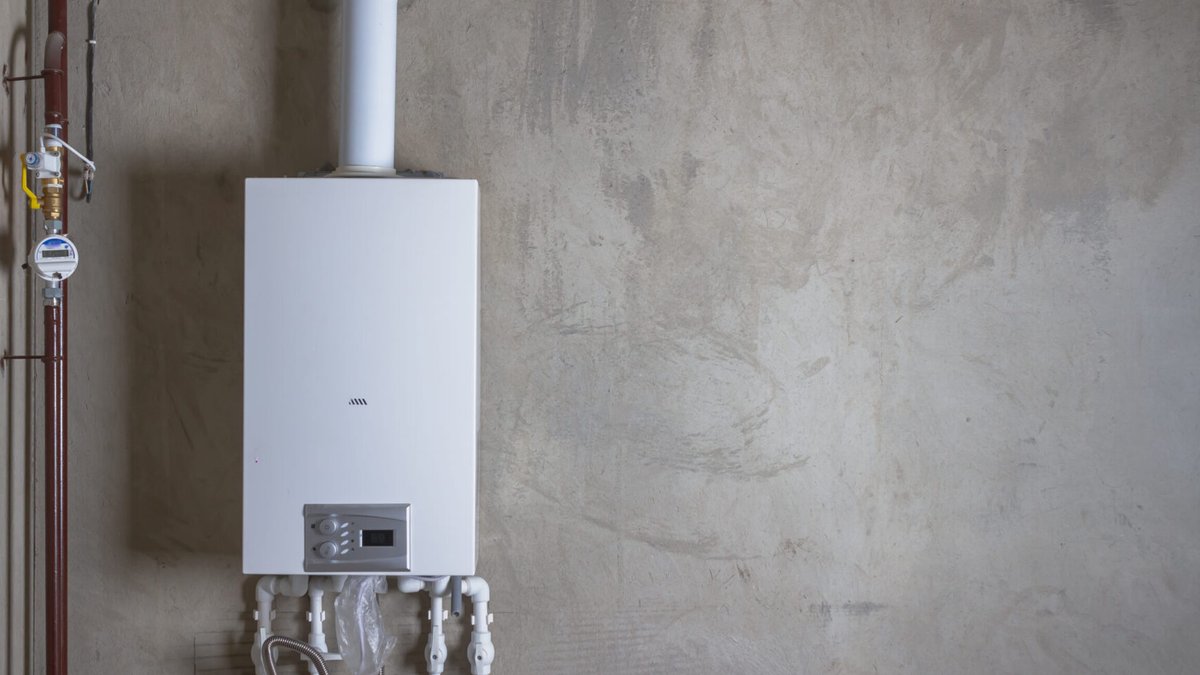
Installing a new gas boiler typically costs homeowners between $4,000 and $9,000. These hydronic heating systems use natural gas to warm water, distributing heat through radiators or baseboards. While heat pumps and forced-air furnaces are common, boilers remain prevalent in colder regions like the Northeast and Upper Midwest, especially in older buildings with existing infrastructure.
The final price depends heavily on the model and installation complexity. High-efficiency units often push the total toward $9,000 or more, whereas basic models for smaller homes start around $4,000. Labor generally accounts for about 30% of the total bill, or between $1,000 and $3,000. Location plays a significant role as well; contractors in the Northeast and on the West Coast typically charge 20% to 30% more than those in the Midwest or South due to higher living costs and stricter permitting requirements. Cities with strict permitting requirements, such as Chicago and Boston, tend to have higher installation costs and longer time frames. When budgeting, homeowners should consider the total project scope, which generally falls between $5,540 and $10,980 for the HVAC unit, installation, and removal of the old equipment.
Proper sizing dictates long-term performance and price. Boiler capacity is measured in British Thermal Units (BTUs) per hour, and accurate sizing requires Manual J load calculations rather than rough estimates. Properties in cold northern states like Minnesota typically require 50 to 60 BTU per square foot, whereas buildings in milder climates like North Carolina may only need 25 to 35 BTU per square foot. Residential units generally range from 30,000 BTU for small homes to 135,000 BTU for larger properties. Avoiding oversizing is key, as larger units cost more upfront and operate inefficiently through frequent cycling.
Efficiency and Operating Costs
High-efficiency models with Annual Fuel Utilization Efficiency (AFUE) ratings of 90% to 96% capture heat from exhaust gases, whereas standard units with 80% to 85% AFUE waste more energy through simple venting. Because condensing models extract extra heat, they produce water vapor and require special polyvinyl chloride (PVC) venting through exterior walls along with condensate drains, rather than traditional chimneys. While these advanced units cost more upfront, the extra expense often pays for itself within five to eight years through lower energy bills, particularly in colder climates. Homeowners upgrading to high-efficiency gas boilers can often reduce fuel consumption by 15% to 25% compared to older, less efficient units.
Related: Testing an AC Capacitor and What Comes Next
Operating expenses vary significantly based on fuel type and efficiency. A standard 2,000-square-foot home in a cold climate might use 600 to 1,000 therms of gas annually, costing roughly $978 to $1,630 at national averages. In contrast, heating the same home with electricity could cost between $1,800 and $2,400 per year, as natural gas typically costs about half as much as electric resistance heating per BTU. Consequently, homeowners switching from electric baseboard systems to gas boilers often report cutting winter heating bills by 30% to 50%.
Complex installations can inflate costs beyond standard replacements. Converting from oil to gas necessitates new gas lines and potential electrical upgrades, while switching from forced-air systems to hydronic heat requires installing entirely new distribution systems like baseboards or radiators. Even without fuel type changes, older buildings often need electrical updates to support modern boiler controls. Properties without existing gas service may face extension fees ranging from $120 to $1,350 to connect to the main line.
Long-term ownership involves ongoing maintenance to ensure safety and efficiency. Well-maintained natural gas boilers generally last between 15 and 20 years, with some high-quality units reaching 25 years. Heat exchangers, particularly in areas with hard water, are common failure points. Annual tuneups are necessary to prevent corrosion and catch small issues early, usually costing a few hundred dollars. Experts recommend replacing the unit when repair costs approach 50% of the price of a new installation or when energy bills rise despite stable fuel prices.
