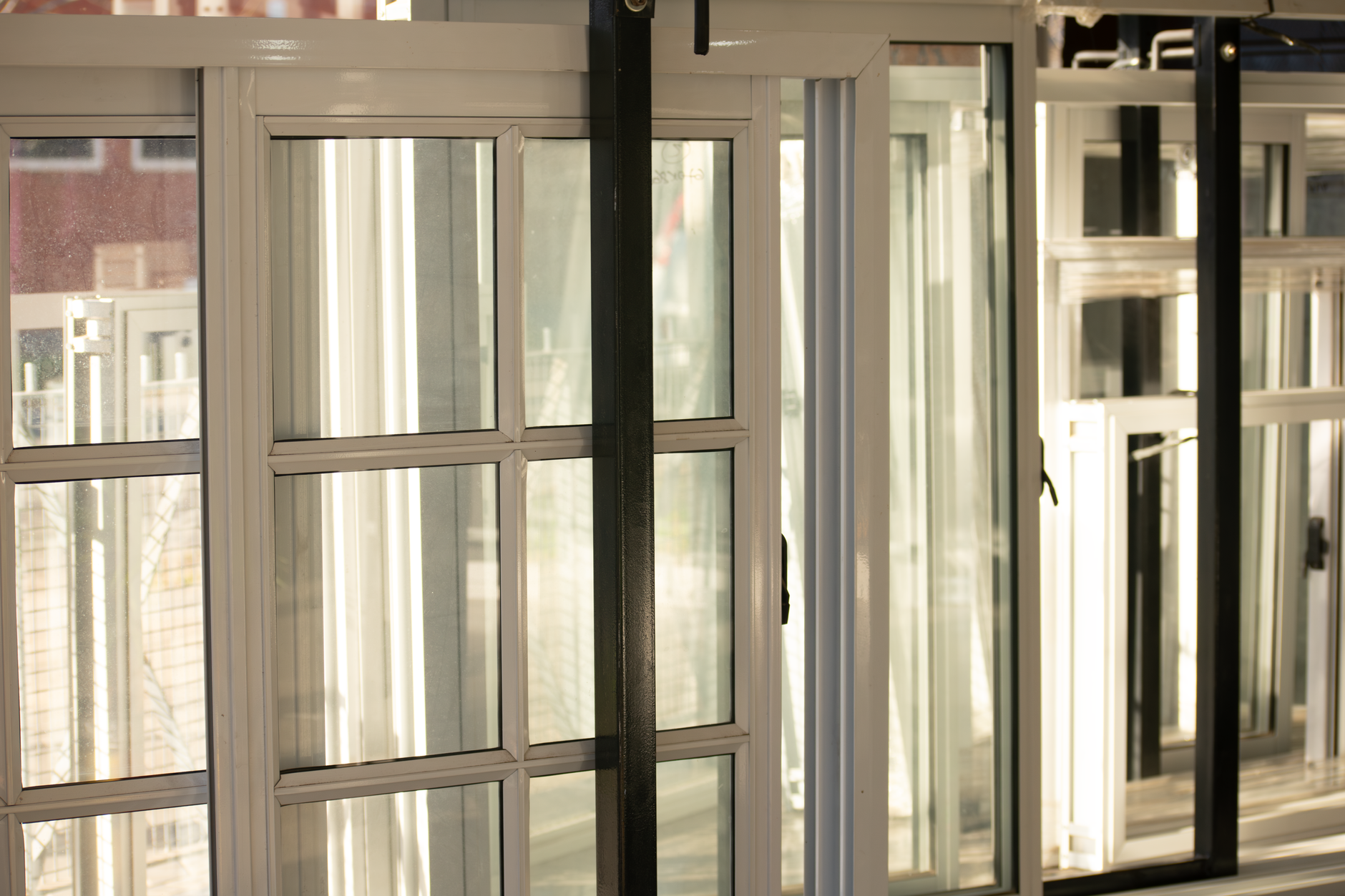
Standard double-hung window sizes range from 24–48 inches wide and 36–72 inches tall. These popular windows feature two sashes that move independently and tilt inward.
Consider room proportions, building codes, energy performance, and whether you need custom sizes when choosing windows. Older homes often require custom dimensions. Small windows can make rooms feel claustrophobic, while oversize ones can look awkward and waste energy.
Windows account for approximately 25%–30% of heating and cooling costs, according to the U.S. Department of Energy, so sizing affects your utility bills as well. Shopping for double-hung windows involves taking careful measurements and considering how each opening can impact a room’s ambiance, lighting, and air circulation.
Always measure the rough opening, not just the existing window.
You need to know exactly how much space sits between studs and from the header to the sill. Leave roughly half an inch of clearance all around for proper installation.
This gap prevents air leaks and accommodates any house settling that happens over time. Common Double-Hung Window Dimensions follow a straightforward pattern: width first, followed by height.
So a 24 x 36 window measures 24 inches wide by 36 inches tall. Most brands use similar ranges, but the exact dimensions might vary slightly between manufacturers.
Related: Signs Your Car’s Air Filter Needs Replacing
Standard double-hung window sizes include 24 x 36 inches, 28 x 54 inches, 32 x 54 inches, 36 x 60 inches, and 36 x 72 inches. The window size should match your room’s scale.
Local codes set specific minimums for bedroom emergency exits, with detailed requirements for width, height, and opening area. Check with your local building department before ordering replacement windows, as these rules vary between jurisdictions.
The larger your windows, the more they’ll affect your comfort and bills. Consider spending extra on high-quality glass and frames, as you will earn it back through lower energy bills and more comfortable rooms.
If your house has nonstandard openings, measuring precisely for made-to-fit windows pays off in both appearance and performance. Always have a window professional double-check your measurements before ordering custom-size windows.
Double-hung windows excel at providing ventilation without letting you freeze at night.
Opening only the top sash vents warms the air while keeping the bottom closed, preventing cold drafts from crossing the bed. Plus, properly sized bedroom windows meet safety codes for emergency exits, providing you with fresh air and peace of mind.
They make sense in kitchens, where smart ventilation makes all the difference in high-moisture areas. The tilt-in feature also makes cleaning easier, allowing you to wipe down both glass surfaces from the inside, similar to how one might maintain a bay window.
Related: Why Homebuyers Value Well-Connected Residential Communities
Installation costs can add up quickly, with a two-person crew typically adding $160–$240 for about two hours of work per window. Getting at least three quotes can help you spot potential bundle discounts.
Many online tutorials make window installation look simple, but reality tells a different story. If you have decent tools and basic carpentry skills, replacing first-floor windows in standard sizes might be within reach.
However, new construction windows or situations requiring frame replacement demand professional skills. Professionals ensure windows sit perfectly level, stay watertight, and minimize air leakage, which are all critical for long-term performance.
Always read the fine print, as most warranties become void if the product is not installed professionally. With windows costing hundreds each, protecting this investment through proper installation just makes sense.
Single- and double-hung windows appear nearly identical at first glance, but significant differences impact their day-to-day functionality. Understanding these distinctions helps match windows to your specific needs.
The top sections of single-hung windows are permanently fixed, and only the bottom sash can move up and down. With double-hung windows, both the upper and lower halves can move up and down, making them more versatile for airflow management.
Modern double-hung windows include tilt-in sashes that make cleaning a breeze. Both glass surfaces can be wiped down from inside — a feature that is particularly useful for second-floor windows.
