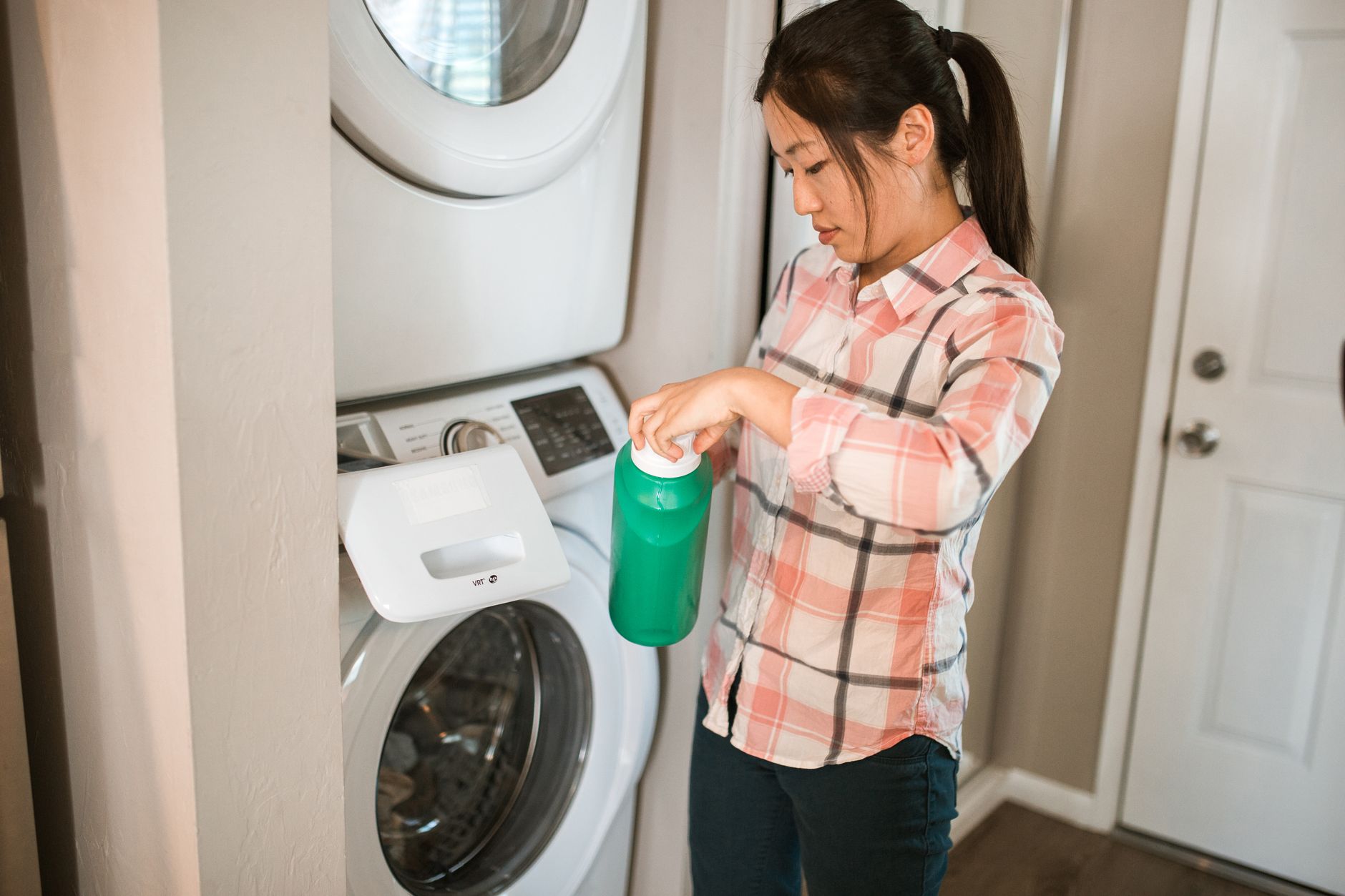
Cleaning a washing machine filter doesn’t have to end with a wet floor and a string of expletives. Many owners avoid this simple maintenance task because they’re not sure where the filter is or how to pop it out without water spilling everywhere. The trick is preparation and knowing which valve to turn first.
Where the filter hides and what it does
Front‑loading machines typically have a small access panel at the bottom right or left corner. Behind that panel sits the drain pump filter. It catches coins, lint, hairpins, and leftover bits of fabric that would otherwise clog the pump or damage the drum. Most manufacturers recommend cleaning it every one to three months, but few households actually do it.
Related: Pea shingle driveways are a bad choice
Top‑loaders are different. Some have a filter inside the agitator column; others have a lint trap on the rim of the tub. If you can’t find a panel, check the owner’s manual or search the model number online. The document usually includes a diagram.
Gather your tools before you start
A shallow baking dish or a low‑profile plastic tub. A few old towels. A flat‑head screwdriver or a coin to pop the access door open. A pair of pliers may help if the filter turns stubborn. A spare sponge is never a bad idea. That is all you need. If your washer has a drain hose behind that panel — and most do — you will want a bucket that can hold at least two gallons.
Stop the water before you touch the filter
Locate the water supply valves behind the machine. Turn them clockwise until they stop. This prevents any fresh water from entering while you have the filter open. If you skip this step, even a small leak can turn into a steady drip that soaks the floor. Now unplug the washer or flip the circuit breaker.
Related: 3x must have garden lightning for this season
Open the access panel. You will see a round cap — that is the filter cover. Place your baking dish directly under it. Have a towel surrounding the dish to catch splashes. Slowly twist the cap counterclockwise. It may be tight, so use pliers if needed, but do not yank. Water will start to trickle out. Let it drain into the dish. Wait until the flow stops completely before pulling the filter out. Some machines have a separate drain hose with a plug — pull that plug first and let the water run into the bucket.
Once the water stops, unscrew the filter completely. It will be hairy and probably a little foul. Rinse it under the faucet with hot water. Use an old toothbrush to scrub the mesh if there is caked‑on debris. Check the housing cavity for any loose lint or a small coin that has fallen into the drain pump — fish it out with tweezers or needle‑nose pliers. Reinsert the filter and tighten it hand‑tight. Do not over‑tighten; the seal is a rubber gasket, and overtightening can crack the plastic housing. Replace the access panel. Turn the water supply back on, plug the machine in, and run a short rinse cycle to make sure nothing is leaking.
One thing people often forget: the detergent drawer also collects mold and residue. While you are already on the floor, pull that drawer out, soak it in hot water and vinegar, and scrub the dispenser housing. But that is a separate project. Some newer washers have a self‑cleaning cycle that claims to handle the filter automatically. Do not trust it entirely. Those cycles usually just flush the drum with hot water and bleach. They do not remove the physical objects that block the pump.
Related: Benefits of Coconut Trees from Fruit to Root
What happens if you never clean it
Water starts to pool inside the machine. The drum does not drain completely. You get musty odors. Eventually the pump fails, and a repair can cost two hundred dollars or more. Cleaning the filter every few months is cheaper than a service call by a long shot. An old washing machine that has never had its filter cleaned will often throw an error code like “drain error” or “OE” on the display. That tends to be the moment most people finally crawl onto the floor and look for the little panel.
If the filter is stuck and you can budge it, spray some penetrating lubricant around the edges and wait ten minutes. Never use a hammer or a chisel near that plastic housing. Broken housings mean a new pump or a new machine.
